Denver Is Quietly Becoming a Clean Energy Capital
The talent, the terrain, and the transmission infrastructure were already here. The capital is starting to follow.
We did not choose Denver because it was the obvious answer. In 2019, when we were thinking seriously about where to base Kora Power, the clean energy VC community was concentrated in San Francisco, Boston, and New York. Those cities have deep talent pools, strong LP networks, and proximity to other investors. The case for going somewhere else required some conviction.
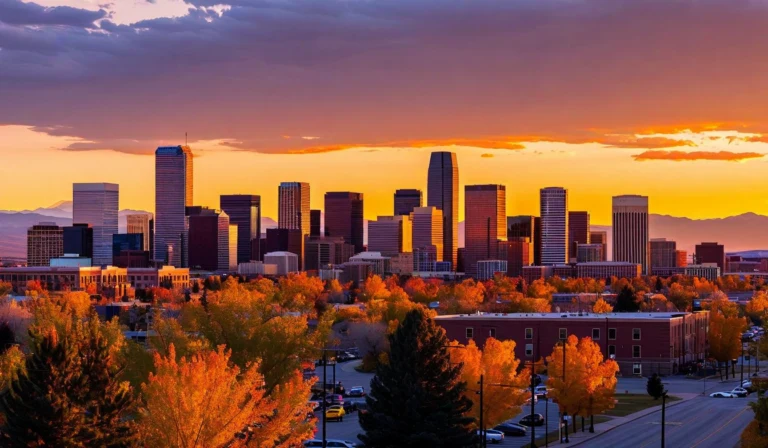
The case we made then has only gotten stronger since. Denver is becoming a genuine clean energy hub — not because of one big announcement or a policy initiative that redirected capital here, but because the underlying conditions were right and the compound effects are now visible. Let me explain what I mean by that.
The Energy Geography Is Hard to Replicate
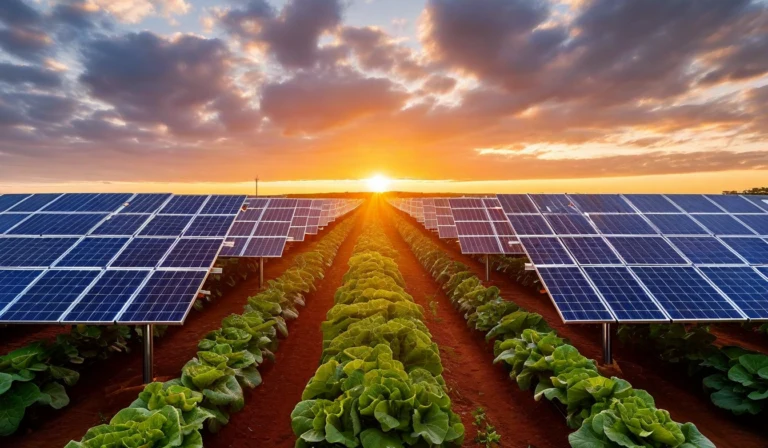
Colorado sits at the intersection of several physical facts that matter for clean energy. The Front Range receives over 300 days of sun per year — more than Miami, more than Los Angeles in most years. The eastern plains have some of the strongest wind resources in the country: average wind speeds of 7 to 9 meters per second at 100 meter hub height over millions of acres of relatively flat terrain with minimal development conflict. And Colorado sits at the junction of several major interstate transmission corridors that connect Southwest solar resources to Midwest demand centers.
Xcel Energy, which serves most of the Denver metro area, has been one of the most aggressive utilities in the country on renewable integration. By 2024, they were already running the grid at over 50 percent renewable penetration during certain periods, ahead of schedule on a timeline that many analysts thought was optimistic five years ago. That operating experience — learning to manage a high-renewable grid in real conditions, not in simulations — is resident in the utility's staff, in the grid operators at the Southwest Power Pool, and in the engineers at companies that support that infrastructure.
The Talent Situation Is Better Than People Expect
The clean energy talent pool in Denver has been building for longer than the current moment of attention suggests. The Colorado School of Mines has been graduating energy engineers for over 150 years. The National Renewable Energy Laboratory in Golden — the world's largest research facility focused on renewable energy and energy efficiency — employs over 3,000 researchers and engineers, many of whom eventually move into industry. CU Boulder's energy programs, Colorado State's atmospheric science work with direct applications to wind forecasting, and Denver University's Daniels College of Business have all been producing talent relevant to this sector.
What we found in our early years here was a professional community that was genuinely enthusiastic about energy work — not just working in energy because the salary was good, but because the Rocky Mountain region has a cultural relationship with land, water, and resource stewardship that makes the mission feel personal. That is harder to manufacture than it sounds. Engineers who care about the problem tend to work harder on the hard parts.
The NREL proximity is underrated. Having the world's best publicly funded energy research lab a 20-minute drive away is not a small thing. We have had more productive conversations with NREL researchers than with any other single institution in our five years of investing here.
The Policy Environment Has Been Constructive
Colorado passed its Clean Energy Plan in 2019, requiring 80 percent carbon reduction in the electricity sector by 2030. The state has consistently implemented that mandate through PUC rulemakings that create real market opportunities — accelerated depreciation of coal plants that frees up capital for renewables, interconnection reforms that have reduced the average queue time for new generation projects, and storage procurement requirements that are creating a market where none existed four years ago.
The IRA added federal tailwinds on top of state policy. Colorado companies have been well-positioned to capture IRA benefits because the project types the IRA incentivizes — solar, wind, storage, clean hydrogen — are exactly what the Colorado ecosystem is building. The combination of state mandate and federal subsidy has attracted capital that would not otherwise have considered a Mountain West location.
What Is Still Missing
I do not want to oversell this. Denver is not San Francisco, and it is not going to be. The LP community is thinner — there are fewer institutional investors who have established clean energy investment mandates and offices here than on the coasts. The corporate venture arms that have driven so many early rounds in coastal cleantech are not well-represented in Colorado. And the density of specialized legal, banking, and consulting services that make doing deals easier is higher in New York and the Bay Area.
The transmission infrastructure, while better than many people realize, has real constraints. The Rocky Mountain region is relatively isolated from the larger eastern and western grid interconnections, which limits both import and export flexibility during stressed conditions. The planned transmission investments are coming, but slowly.
What I believe is that these gaps are closing, and that the underlying advantages — the resource quality, the policy environment, the engineering talent, the NREL proximity — are durable in ways that a funding-environment advantage is not. Capital follows good deals. Good deals happen where the technology, talent, and market conditions are right. Those conditions are right in Denver, and they are getting more right every year.
We will be here.
Continue Reading